
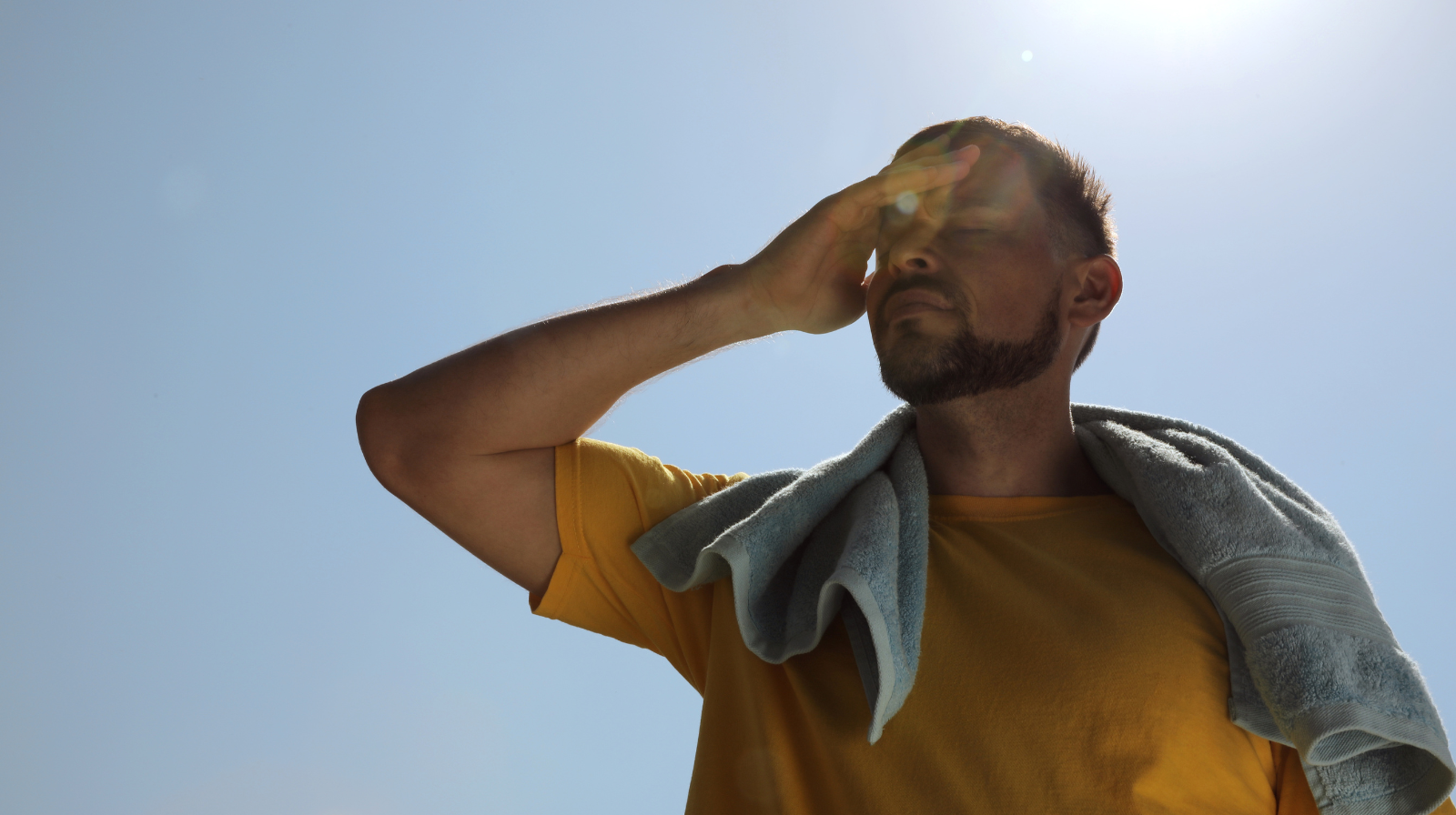
Symptoms of Thermal Fainting: How to Recognize Heat-Related Illness and Protect Your Health
Summer in Morocco can bring temperatures above 40°C (104°F) in cities such as Marrakech, Fez, Meknes, and Errachidia. Heatwaves are becoming more frequent and more intense each year. For Moroccans Living Abroad (MREs) returning from Europe, older adults, young children, and people with chronic illnesses, extreme heat can pose a serious health risk.
Thermal fainting, heat exhaustion, and heat stroke are three different heat-related conditions with increasing levels of severity. Knowing how to recognize the symptoms and respond quickly can save lives.
How Does the Body React to Heat?
When exposed to high temperatures, the body activates its cooling system to keep its internal temperature close to 37°C (98.6°F). It does this by:
-
Dilating blood vessels
-
Increasing sweating
-
Speeding up breathing
However, these natural mechanisms have limits. During prolonged exposure to extreme heat or when dehydration occurs, the body's cooling system may fail, leading to heat-related illnesses.
The Three Stages of Heat-Related Illness
1. Thermal Fainting (Mild Heat Illness)
Thermal fainting is the mildest and most common heat-related condition. It usually occurs after spending a long time in hot weather, especially during physical activity.
Symptoms of Thermal Fainting
-
Sudden weakness
-
Fatigue
-
Dizziness or lightheadedness
-
Mild nausea
-
Pale, cool, clammy skin
-
Headache
-
Muscle cramps (legs or abdomen)
What to Do
-
Move to a cool or shaded area immediately.
-
Lie down with your legs slightly elevated.
-
Drink cool water slowly in small amounts.
-
Rest until symptoms improve.
Most people recover within 15 to 30 minutes.
2. Heat Exhaustion (Moderate Heat Illness)
Heat exhaustion is more serious than thermal fainting. It occurs when the body's cooling system begins to fail. Body temperature may rise to 38–39°C (100.4–102.2°F).
Symptoms
-
Heavy sweating
-
Cool, pale, moist skin
-
Fast but weak pulse
-
Rapid, shallow breathing
-
Nausea or vomiting
-
Severe weakness
-
Brief loss of consciousness
-
Dark-colored urine (a sign of dehydration)
What to Do
-
Move the person to a cool place.
-
Lay them down.
-
Remove unnecessary clothing.
-
Apply cool, wet towels to the forehead, neck, and armpits.
-
Encourage small sips of cool water if they are fully conscious.
Seek medical attention if symptoms do not improve within 30 minutes or become worse.
3. Heat Stroke (Medical Emergency)
Heat stroke is a life-threatening emergency. Body temperature rises above 40°C (104°F) and the brain begins to overheat. Without immediate treatment, it can cause permanent organ damage or death.
Symptoms
-
Body temperature above 40°C (104°F)
-
Hot, red, dry skin (sweating stops)
-
Confusion or disorientation
-
Severe headache
-
Strong, rapid pulse
-
Seizures
-
Loss of consciousness
Emergency Actions
-
Call emergency medical services immediately.
-
Move the person to a cool place.
-
Apply cold, wet towels over the body, especially the neck, armpits, and groin.
-
Do not give water if the person is confused or unconscious.
-
Never leave the person alone while waiting for medical help.
Who Is Most at Risk?
The following groups are more vulnerable to heat-related illness:
-
Infants and young children
-
Adults over 65
-
People with diabetes
-
People with heart disease
-
People with kidney disease
-
People with high blood pressure
-
Individuals taking medications such as diuretics, beta-blockers, antipsychotics, or anti-epileptic drugs
-
Outdoor workers (construction, agriculture, delivery workers)
-
People with obesity
-
Moroccans living abroad who are not yet acclimatized to Morocco's summer temperatures
10 Tips to Prevent Thermal Fainting and Heat Illness
-
Drink 1.5–2 liters of water daily, even if you are not thirsty.
-
Avoid outdoor activities between 11:00 a.m. and 4:00 p.m.
-
Wear lightweight, loose-fitting, light-colored clothing.
-
Stay in air-conditioned or well-ventilated areas whenever possible.
-
Keep blinds and curtains closed during the day and ventilate your home at night.
-
Avoid alcohol and sugary drinks, which increase dehydration.
-
Eat light meals rich in fruits and vegetables.
-
Take cool (not icy) showers regularly.
-
Never leave children or older adults inside parked vehicles.
-
Check regularly on elderly family members and neighbors.
When Should You See a Doctor?
Seek medical attention immediately if you or someone else experiences:
-
Body temperature above 39°C (102.2°F)
-
Confusion or unusual behavior
-
Repeated vomiting
-
No sweating despite extreme heat
-
Loss of consciousness
-
Symptoms lasting more than 30 minutes despite first aid
Early medical evaluation can prevent serious complications.
Heat and Chronic Diseases
Diabetes
High temperatures may affect blood glucose readings and insulin absorption. People with diabetes should:
-
Monitor blood sugar more frequently.
-
Store insulin and medications away from heat.
-
Stay well hydrated.
High Blood Pressure
Heavy sweating causes fluid and salt loss, which can affect blood pressure. If you take diuretics, discuss summer precautions with your healthcare provider.
Heart Disease
The heart works harder during hot weather to regulate body temperature. People with cardiovascular disease should stay cool, avoid strenuous activity during peak heat, and seek medical advice if symptoms worsen.
Find Medical Care Quickly with Docdialy
Whether you need a general practitioner, a specialist, or a teleconsultation, Docdialy helps you access healthcare quickly throughout Morocco.
If you suspect heat stroke, always call emergency medical services first before arranging a medical consultation.
Heatwaves are more than just uncomfortable—they can become life-threatening within a short period of time. Recognizing the symptoms of thermal fainting, heat exhaustion, and heat stroke is essential for protecting yourself and your loved ones.
Stay hydrated, avoid excessive heat exposure, and never ignore warning signs. If symptoms persist or worsen, seek medical attention immediately. Early intervention can save lives and help you enjoy a safe and healthy summer in Morocco.