
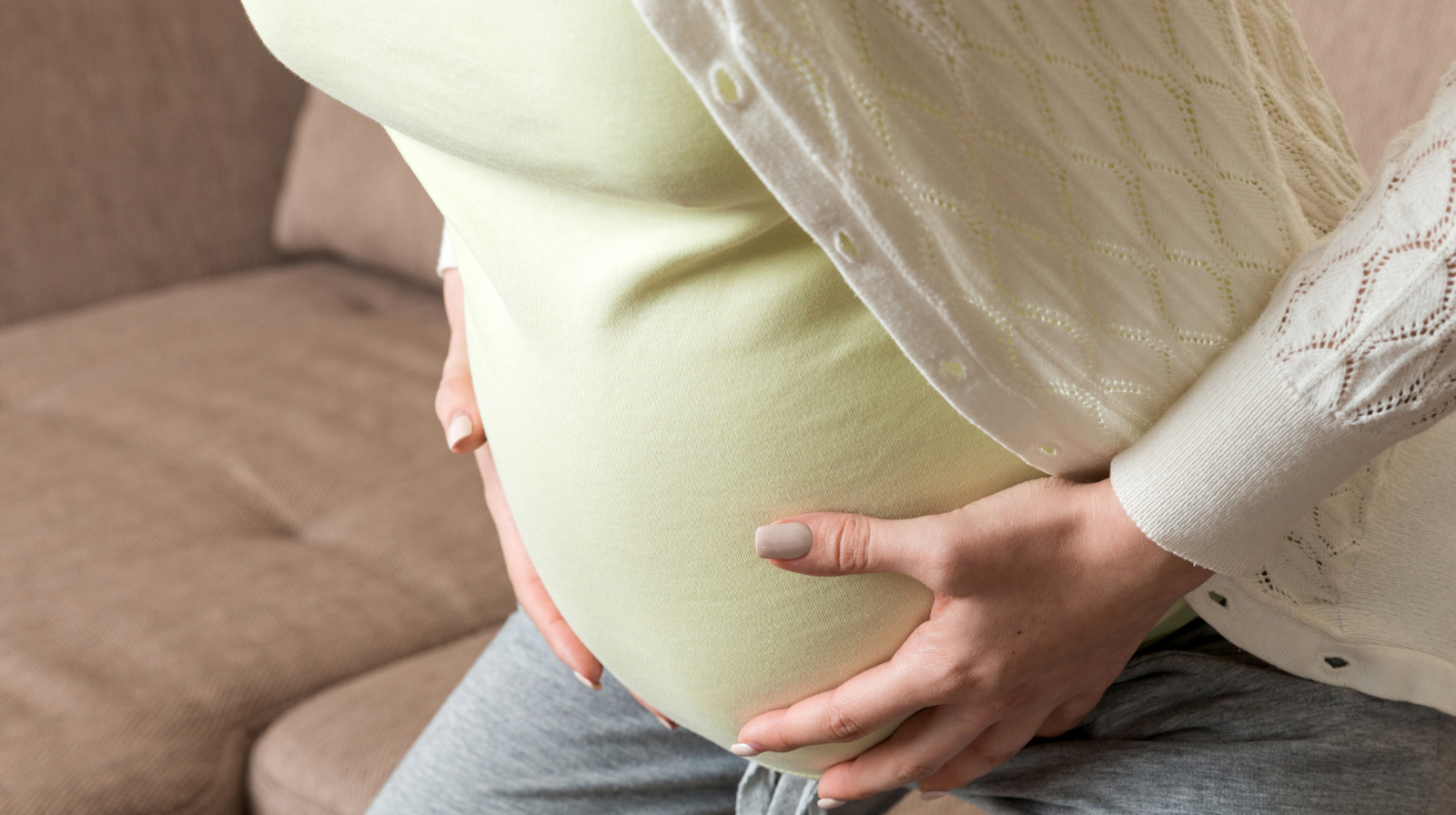
Lower Abdomen Pain During Pregnancy: Is It Normal?
During pregnancy, a woman’s body undergoes many changes due to the growth of the fetus in the uterus, which can cause discomfort throughout the pregnancy period. But is it normal to experience lower abdomen pain during pregnancy?
It is completely normal to feel lower abdominal pain during pregnancy due to the many changes the body experiences as the fetus grows. Most of these pains are harmless and are often related to the expansion of the uterus or the stretching of the round ligaments that support it. Round ligament pain may occur on one or both sides of the abdomen and, in some cases, extend to the hips and thighs.
However, if you experience severe lower abdomen pain during pregnancy accompanied by persistent contractions that do not subside, it is best to consult a doctor or midwife immediately.
Causes of Lower Abdomen Pain During Pregnancy
Discover whether lower abdominal pain during pregnancy is normal or requires immediate medical attention.
Round Ligament Stretching
The round ligaments support the uterus, especially as the abdomen grows during pregnancy. As the belly enlarges, pressure on these ligaments increases, causing them to stretch and tighten.
Round ligaments tend to relax during the second and third trimesters, which may lead to:
- Sharp, temporary, or intermittent pain
- Recurrent pain on one or both sides of the abdomen
- Discomfort during sudden movements
To relieve this pain:
- Move slowly, especially when standing up or sitting down
- Perform gentle stretching exercises
- Practice prenatal yoga
Ectopic Pregnancy
An ectopic pregnancy occurs when a fertilized egg develops outside the uterus, usually in the fallopian tubes. This is a rare but potentially life-threatening condition, as the fallopian tube may rupture, leading to severe internal bleeding.
Symptoms include:
- Pelvic pain
- Mild cramping on one side of the pelvis
- Lower back pain
As the pregnancy progresses, symptoms may worsen and include:
- Sudden and severe abdominal or pelvic pain
- Shoulder pain
- Dizziness or fainting
False Contractions (Braxton Hicks)
False contractions, also known as Braxton Hicks contractions, usually occur during the third trimester. These are “practice contractions” that help soften the cervix but do not lead to labor.
To relieve false contractions:
- Drink more water
- Change position
Do not worry—they usually do not last long.
Preterm Labor
Persistent lower abdominal pain that does not improve with movement may be a sign of preterm labor. Preterm labor occurs before 37 weeks of pregnancy and includes:
- Pain or pressure in the lower abdomen
- Persistent lower back pain
- Abdominal contractions
- Changes in vaginal discharge
Causes of preterm labor include:
- Premature rupture of membranes
- Cervical insufficiency
- High blood pressure
If the fetus is born before 23 weeks, survival outside the womb is not possible. Therefore, immediate medical attention is crucial if preterm labor is suspected.
Constipation and Gas
Constipation and trapped gas can cause lower abdominal pain during pregnancy. Pregnancy hormones slow digestion, and the growing uterus puts pressure on the digestive system.
To reduce gas:
- Eat smaller, more frequent meals
- Exercise gently to aid digestion
- Identify and avoid gas-causing foods
According to the National Center for Biotechnology Information, nearly one-quarter of pregnant women experience constipation at some point. To prevent or relieve it:
- Follow a high-fiber diet
- Drink plenty of fluids
- Use iron supplements only as prescribed
Urinary Tract Infections (UTIs)
Many women experience UTIs during pregnancy, and they are usually easy to treat. Symptoms include:
- Fever
- Extreme fatigue
- Chills
- Foul-smelling urine
- Cloudy or reddish urine
- Burning sensation during urination
- Pressure in the lower abdomen
A doctor can diagnose a UTI through a urine test and typically prescribe antibiotics.
Miscarriage
Miscarriage occurs in about 10–15% of pregnancies, most often during the first trimester. Symptoms include:
- Severe abdominal pain
- Back pain
- Vaginal bleeding
Placental Abruption
Placental abruption occurs when the placenta separates from the uterine wall before delivery. Vaginal bleeding is usually the first warning sign, but in some cases, bleeding may be hidden.
This condition may lead to:
- Reduced oxygen and nutrient supply to the fetus
- Severe bleeding for the mother
Other symptoms include:
- Abdominal pain
- Sudden stomach and back pain
- General discomfort and unease
Immediate medical attention is essential.
Preeclampsia
Preeclampsia usually develops after the 20th week of pregnancy but may also occur earlier or after delivery. It is characterized by high blood pressure or elevated protein levels in the urine and may lead to seizures or coma.
Risk factors include:
- History of hypertension or diabetes
- Obesity
- Teenage pregnancy or age over 35
Seek medical care if you experience:
- Sudden weight gain
- Vision changes
- Persistent headaches
Labor
Labor usually occurs in the second or third trimester and presents as mild contractions similar to menstrual cramps in the lower abdomen. You may notice:
- Changes in vaginal discharge
- Sudden release of fluid from the vagina
- Pain in the lower back, pelvis, or thighs
Treating abdominal pain during pregnancy should never be done without medical advice, as improper treatment may affect the health of both mother and fetus.
When to See a Doctor
Here are the warning signs that may accompany lower abdomen pain during pregnancy, indicating a potentially serious condition that could affect both your health and your baby’s health and require immediate medical attention:
-
Persistent pain that does not improve
-
Vaginal bleeding
-
Unusual vaginal discharge
-
Chills
-
Fever
-
Dizziness or vomiting
Most lower abdominal pain during pregnancy is normal. However, knowing how to distinguish between normal discomfort and a medical emergency is essential for your safety and your baby’s well-being.
If you feel worried or notice any warning signs, get specialized medical advice as soon as possible through Docdialy — your free and fast platform for booking doctor appointments, whether in-clinic or online.
Click on “Book your appointment” and take care of your health and your baby’s health from the very beginning of your pregnancy.
Sources:
c when pregnant: Causes and treatments
https://www.medicalnewstoday.com/articles/low-belly-pain-when-pregnant#treatments
Belly Pain in Pregnancy: Care Instructions
https://myhealth.alberta.ca/Health/aftercareinformation/pages/conditions.aspx?hwid=abq3222
What Causes Low Belly Pain When Pregnant?
https://www.healthline.com/health/pregnancy/low-belly-pain-when-pregnant