
Blood Donation: Benefits, Types, Eligibility, and Risks
A single blood donation can save up to three lives. This generous act not only helps patients in need but can also contribute to the donor’s overall health monitoring. This guide explains the importance of blood donation, the different types of donations, eligibility requirements, benefits, potential risks, and frequently asked questions.
What Is Blood Donation?
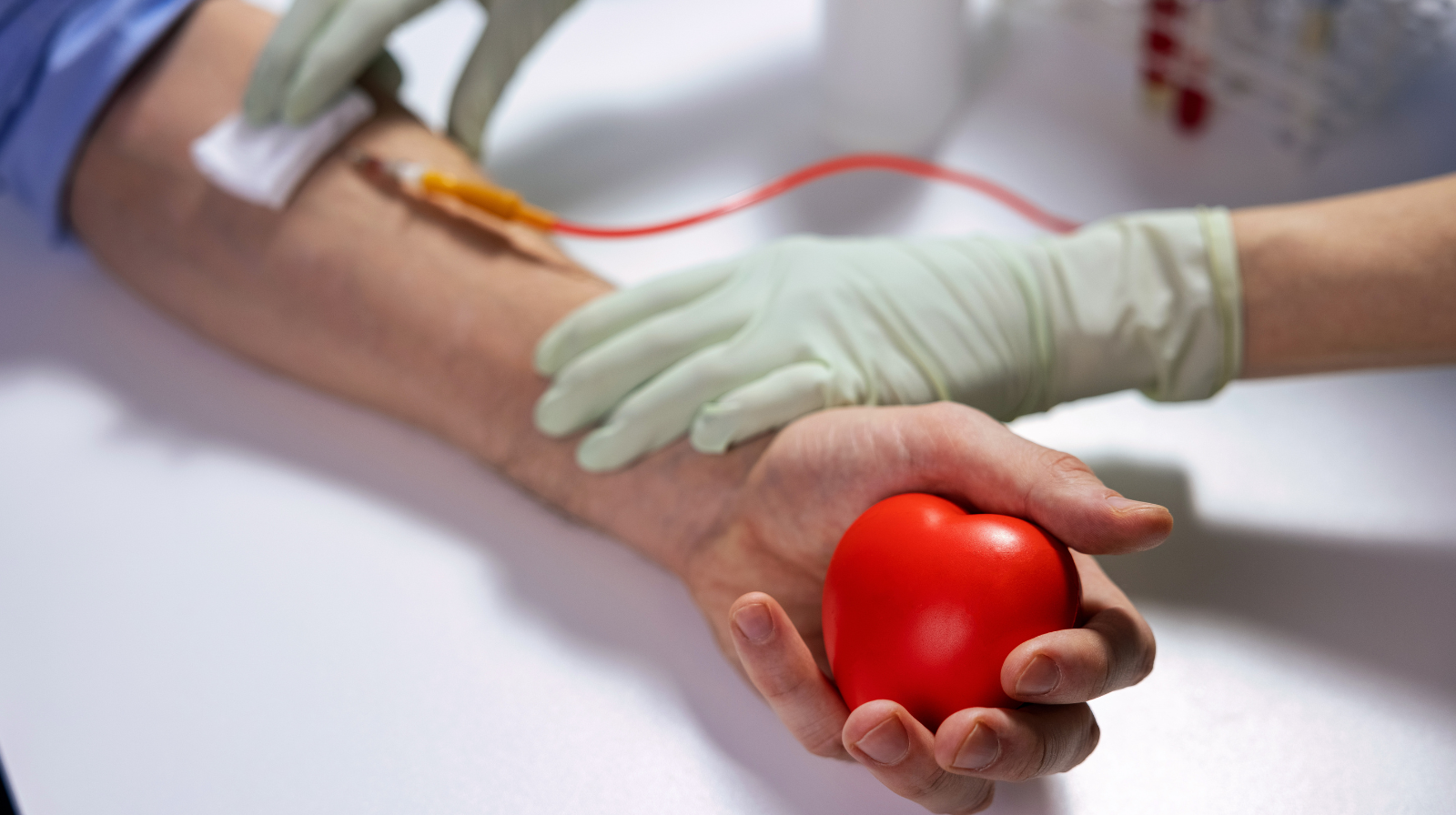
Blood donation is the process of collecting blood from a healthy donor to help patients who have lost significant amounts of blood due to illness, surgery, or accidents. The goal is to restore red blood cells, platelets, and plasma to ensure proper oxygen delivery and normal body function.
During a standard donation, approximately half a liter of blood is collected. The blood is then separated into three main components: red blood cells, platelets, and plasma. Each component can be used to treat patients with specific medical needs.
According to the World Health Organization (WHO), the people most likely to require blood transfusions include women experiencing complications during pregnancy or childbirth, children with severe anemia, accident victims, cancer patients, and individuals undergoing major surgery.
Types of Blood Donation
Blood contains several essential components. Depending on medical needs, different types of blood donations can be performed.
Whole Blood Donation
Whole blood contains plasma, red blood cells, white blood cells, platelets, and antibodies. It can be transfused as whole blood or separated into individual components. It is commonly used following severe bleeding or surgery.
Platelet Donation
During platelet donation, platelets and some plasma are collected while red blood cells and the remaining plasma are returned to the donor. Platelets play a crucial role in stopping bleeding and are often used for cancer patients, transplant recipients, and individuals undergoing major surgical procedures.
Plasma Donation
Plasma can be donated regardless of the donor’s ABO blood group compatibility. It is frequently used in emergencies, particularly for severe bleeding. During the donation process, plasma is separated from red blood cells and platelets, which are then returned to the donor.
Double Red Cell Donation (Apheresis)
This type of donation collects a concentrated amount of red blood cells while returning other blood components to the donor. Red blood cells are commonly used for trauma patients, newborns, and individuals with anemia.
Autologous Blood Donation
An autologous donation involves a patient donating their own blood before a scheduled surgery. The blood can then be used during or after the procedure. This option is only available for patients who are healthy enough and have no medical contraindications.
Eligibility Requirements for Blood Donation
A typical blood donation represents approximately 8% of an adult’s total blood volume. The body usually replaces this loss within 24 to 48 hours. Healthy adults may donate blood several times per year, depending on the type of donation.
Minimum Time Between Donations
- Whole blood donation: at least 8 weeks
- Double red cell donation: at least 16 weeks
- Platelet donation: at least 7 days
- Plasma donation: at least 28 days
Age and Weight Requirements
Donors generally must:
- Be between 18 and 75 years old
- Weigh at least 50 kg (110 lbs)
Health Conditions and Temporary Deferrals
Blood donation should never compromise the donor’s health. Donation may be postponed if a person:
- Feels unwell or fatigued
- Has anemia
- Is pregnant or breastfeeding
- Is undergoing certain medical treatments
- Has an active infection
Medications
Antibiotics and some medical treatments may temporarily prevent blood donation, especially when prescribed for infections such as colds, flu, or throat infections.
Screening and Safety Measures
To ensure blood safety, individuals may be ineligible to donate if they:
- Have HIV or certain sexually transmitted infections
- Are at increased risk of sexually transmitted infections
- Use injectable drugs
- Recently received a tattoo or piercing
- Are recent sexual partners of individuals who have recently had a tattoo or piercing
Benefits of Blood Donation
Some studies suggest that regular blood donation may be associated with improved health outcomes. In addition to helping save lives, donors may experience several benefits.
Free Health Screening
Every blood donation includes basic health assessments that may help identify previously undetected conditions such as:
- Anemia
- High or low blood pressure
- Certain viral infections (including hepatitis, HIV, and syphilis)
- Iron level abnormalities
- Irregular heart rate
- Fever or abnormal body temperature
Reduced Iron Levels in Hemochromatosis
Hemochromatosis is a condition that causes excessive iron accumulation in the body, potentially affecting the liver, heart, and pancreas. Blood donation can help reduce excess iron levels and lower the risk of complications.
Potential Cardiovascular Benefits
Some research suggests that regular donors may maintain healthier blood vessels, more balanced iron levels, and improved blood pressure regulation.
Possible Risks and Side Effects of Blood Donation
Blood donation is generally considered very safe when performed at an authorized donation center. However, some mild and temporary side effects may occur:
- Bruising or soreness at the needle site
- Dizziness
- Nausea
- Mild fatigue
When to Seek Medical Attention
Consult a healthcare professional if you experience:
- Persistent dizziness despite rest and hydration
- Ongoing bleeding from the needle site
- Pain, numbness, or tingling in the arm
- Significant drops in blood pressure
- Severe muscle cramps
- Difficulty breathing
- Fainting or repeated vomiting
Frequently Asked Questions
What Happens in the Body After Blood Donation?
After donating blood, red blood cell levels temporarily decrease. In response, the body releases erythropoietin, a hormone that stimulates the bone marrow to produce new blood cells. Blood cell levels gradually return to normal over the following days.
How Can You Replenish Blood After Donation?
Proper hydration is essential after donating blood. Drinking plenty of water helps restore blood volume quickly. Eating iron-rich foods during the next 24 to 48 hours also supports red blood cell production.
Recommended foods include:
- Lean red meat
- Spinach
- Legumes
- Orange juice
- Iron-fortified cereals
Blood donation is a simple, safe, and life-saving act that benefits both recipients and donors. Whether through whole blood, plasma, platelet, or red blood cell donation, every contribution helps ensure that hospitals have the resources needed to treat patients in critical situations. Regular blood donation remains one of the most effective ways to support healthcare systems and save lives.
Sources:
Blood products: Blood donation
Types of Blood Donations
https://www.redcrossblood.org/donate-blood/how-to-donate/types-of-blood-donations.html
Who can give blood
https://www.blood.co.uk/who-can-give-blood/
The Benefits of Donating Blood
https://www.healthline.com/health/benefits-of-donating-blood
Advantages and disadvantages of donating blood
https://www.medicalnewstoday.com/articles/319366
How your body replaces blood